How do I get my workshop clean?
As a craftsman, your workshop is your second home. It is the place where you create the most beautiful projects, but it is also the place where dirt, stains and leftover materials can quickly accumulate. From oil stains and paint splashes to metal residues, sawdust and sticky slices of glue and resin, cleaning your workshop is a continuous process that is crucial for your work, your tools and, last but not least, your safety.
In this comprehensive guide, we look at the most common cleaning problems in the workplace and offer effective and practical solutions for craftsmen who want to keep their workplaces tidy. From tackling stubborn stains to organising an efficient cleaning routine, we discuss everything you need to know to keep your workplace optimally clean.
Daily Cleaning Routine: The Key to a Tidy Workplace
A daily cleaning routine is essential to manage the chaos in your workplace. Spending a few minutes every day to tidy up your workplace will prevent dirt from accumulating and requiring major cleaning. It also prevents accidents and ensures that you are always working in a safe and organised space.
Cleaning work surfaces and tools
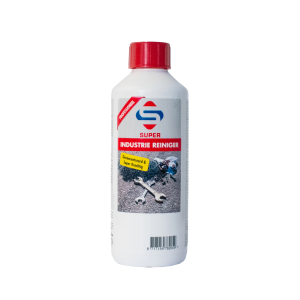
After a busy day's work, it is crucial to clean your work surfaces. Sawdust, grease, paint and even cement residue can build up, which not only makes your workspace less effective, but can also cause damage to tools and materials. Use a industrial cleaner to remove grease and dirt from your workbench. Steel surfaces may require a stronger cleaner, while a softer version is better for wooden workbenches.
Extra tip: Also use a heavy cleaner for cleaning your tools. Tools such as saws, hammers and drills can retain a lot of dirt and oil after a working day. Regular cleaning ensures they last longer and keep performing better.
Sweeping floors and corners
The floor is often the most underappreciated area, but in a workshop it can quickly become a problem spot. Sawdust, metal residue, paint splashes and other debris not only make for a messy workplace, but can also lead to accidents. Therefore, it is important to clean the floor regularly. Using an industrial hoover with a powerful filter is ideal for cleaning up small particles such as sawdust, wood residue and metal chips.
Tip for professionals: If you work in a workshop where a lot of metal is handled, consider a magnetic broom for collecting metal debris. This will prevent sharp particles from being left on the ground that could cause dangerous injuries.

Waste management: avoiding accumulation
A big part of cleaning is about proper waste management. It is not only important to keep the workplace clean, but also to ensure that waste is disposed of properly. Use sturdy rubbish bags and make sure you dispose of waste regularly so that it does not accumulate and interfere with your work.
Tip: Install a simple clearance bin for smaller waste materials, such as screws, nails, metal parts and sawdust. This will prevent small pieces of waste from spreading throughout your workspace.
Common Stains and Problems: How to tackle them.
While daily maintenance is important, you will inevitably have to deal with stubborn stains and dirt that just won't be removed. Here we look at the most common problems in workshops and how to tackle them effectively.
Oil and grease stains
Oil and grease are one of the biggest culprits in many workshops, especially if you work with machinery. It is important to treat grease and oil quickly, as these substances can be difficult to remove once they have dried up. They can settle into surfaces, leading to wear and tear or dangerous situations due to slippery floors.
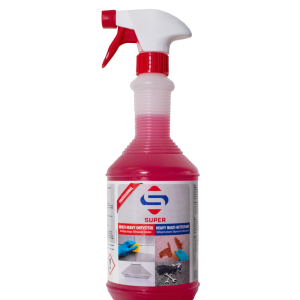
Solution: Start by absorbing excess oil with absorbent materials such as sawdust, absorbent pads or special cloths. Then use a heavy degreaser To dissolve residual oil or grease. The powerful formula of a degreaser ensures that grease does not re-attach to surfaces, making your workshop safe and clean again.
Metal scraps and chips
Metal debris can end up anywhere in the workplace, especially when you are grinding, sawing or drilling. These sharp particles can be dangerous to your health and can complicate the cleaning process. They can also settle in machines and cause damage.
Solution: A magnetic broom or a powerful industrial hoover is the best way to clean up metal debris. This will prevent chips from spreading and ensure your workplace is safe again. Remember that it is important to regularly check that your tools and machinery do not contain metal residues that could interfere with their operation.
Paint splashes and stubborn glue or resin residues
Paint splashes and stubborn glue or resin residues are common cleaning problems, especially if you paint, glue or work with resin. If you don't act quickly, paint splashes can dry up and be almost impossible to remove.
Solution for paint splashes: For fresh paint splashes, it is important to take action as soon as possible. Use a cloth to dab up the paint and then use a paint splatter remover. This product is designed to dissolve paint quickly, making it easy to remove.
Solution for dried paint: For dried paint you have a paint stripper needed. This product loosens the paint so you can easily scrape it off. It is important to let the paint stripper soak in well so that it loosens even the toughest layers.
Solution for glue and resin: Glue and resin residues can be difficult to remove. Try first with a scraper and some warm water. If that doesn't work, use a specialised industrial cleaner for resin or glue removal.
Wood and cement residues
Working with wood or cement can leave a lot of dirt behind. Sawdust, wood residue and cement sludge can not only cause mess, but they can also damage your tools and work surfaces.
Solution: It is essential to clean up sawdust and wood residues immediately to prevent them from spreading through the workshop. Use a strong heavy cleaner to remove cement residue from work surfaces or tools. A wire brush can be useful for removing larger cement lumps that stick.
Hard Stains on the Floor
Hard stains on floors can be difficult to remove, especially if they come from oil, paint or other substances. In many workplaces, floors can get dirty quickly, especially if grinding, cutting or spraying takes place regularly.
Solution: Use a industrial degreaser or a heavy cleaner to tackle the stains on the floor. It may be useful to scrub the floor with a brush to get into the nooks and crannies of the stains. Use an emulsion specially suited to your floor to avoid damaging it.

Air pollution and dust accumulation
Dust and air pollution is a problem in many workplaces, especially if you work a lot with wood or metal. Inhaling these substances can be harmful to your health.
Solution: Use a dust mask and ensure adequate ventilation in your workshop. Consider installing an air purification system to filter dust particles from the air and reduce the inhalation of harmful substances. This will ensure that the air in your workshop remains healthy and that you can work without worry.
Conclusion: Ensure a Professional Workplace
A clean workplace is essential for craftsmen who are serious about their work. Not only does it ensure safety, but it also makes work more efficient and enjoyable. By following a daily cleaning routine, using the right tools and cleaning products, you can not only extend the life of your tools and machines, but also improve the quality of your work.
Due to problems such as oil stains, paint splashes, metal residues and stubborn dirt immediately, you ensure that your workspace remains safe and well-maintained. It is important not to put off cleaning, but to pay attention to it daily so that you can always keep working in a clean and organised environment.
Locations
Here you can find the shops where our products are sold!
